Vermouth is a fortified wine infused with herbs, spices, and botanicals. The name comes from the German word wermut, meaning wormwood, one of the traditional ingredients that gives vermouth its distinctive bittersweet flavor. Alongside wormwood, producers often include botanicals such as citrus peel, cinnamon, cardamom, clove, and chamomile, creating the layered aromas that make vermouth so unique. Both red and white vermouth typically begin with white grapes, but red vermouth, most typical in Spain, gets its deep amber color and richer taste from caramelized sugar or sometimes sweet wines like Pedro Ximénez. The result is an aromatic, balanced drink that can be enjoyed on its own, over ice, or as part of a cocktail.
Vermouth first appeared in northern Italy in the 18th century, when winemakers began infusing wine with botanicals and fortifying it with spirits. As the drink spread across Europe and eventually reached Spain, it quickly became more than just a cocktail ingredient.
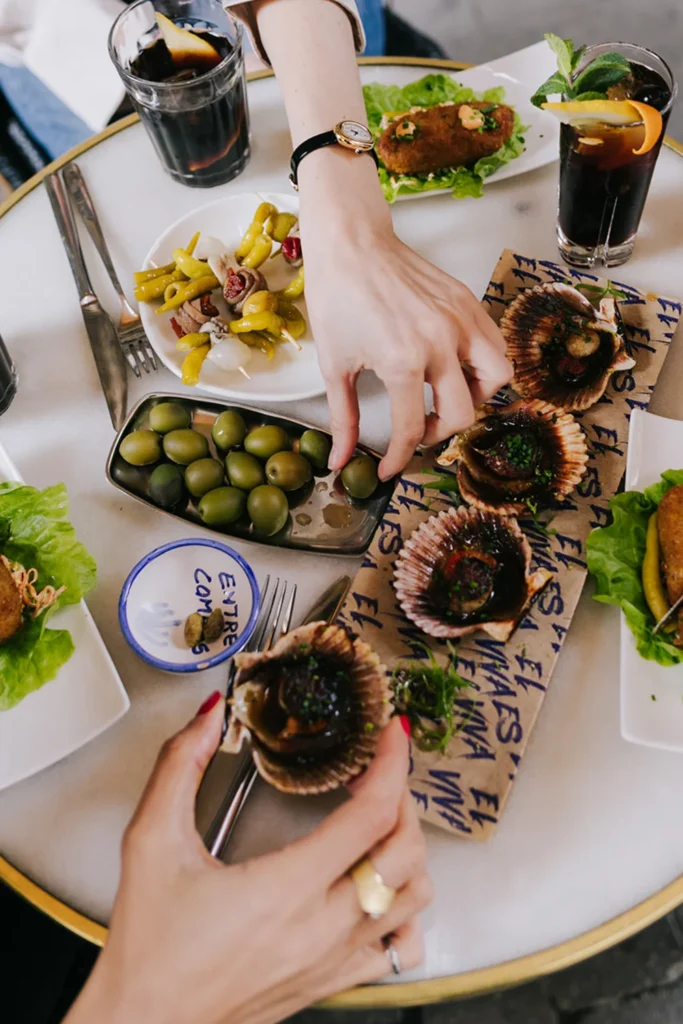
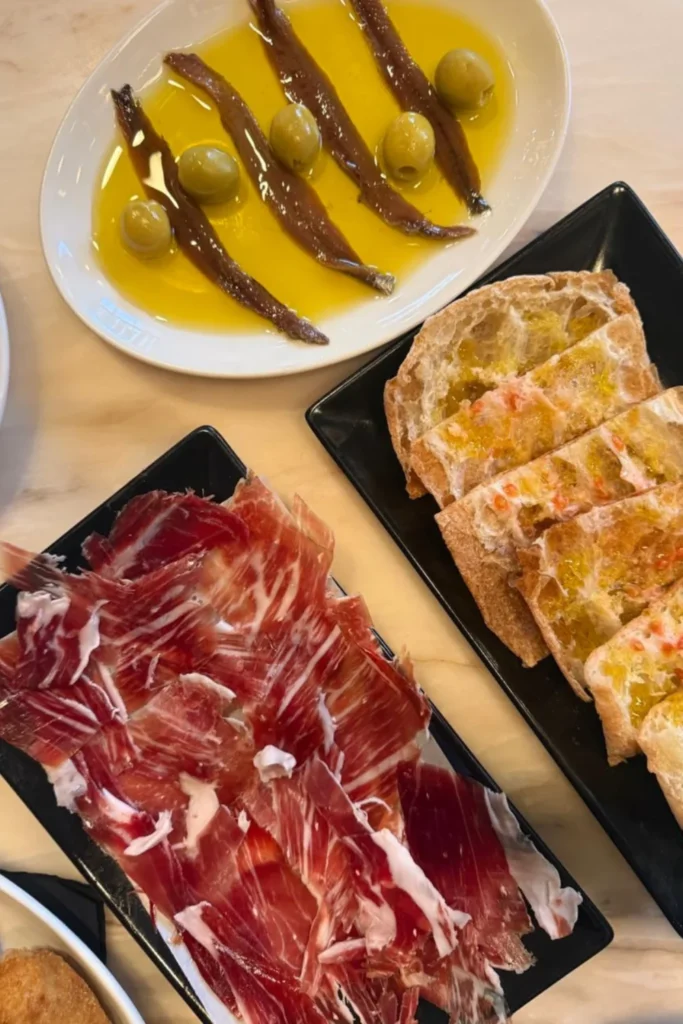
In Spain, vermouth is closely tied to a beloved social ritual known as la hora del vermut, or “vermouth hour.” Traditionally enjoyed in the late morning or early afternoon before lunch, this is the time when friends and family gather to share a glass of vermouth and a few small bites such as olives, potato chips, anchovies, or other simple tapas. The ritual is less about the drink itself and more about the experience, slowing down, sharing conversation, and enjoying the relaxed rhythm of Spanish life. For many locals, la hora del vermut remains an essential weekend tradition.
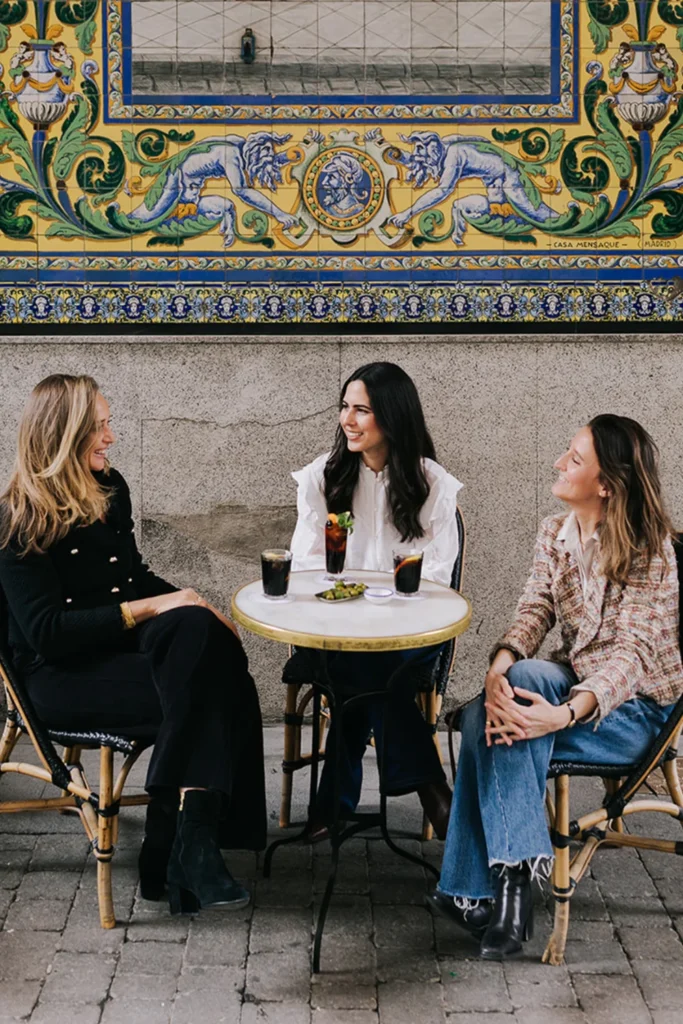
Today, vermouth in Barcelona is as vibrant as ever. Across the city, the drink is served in lively plazas, neighborhood taverns, historic bodegas, and bustling markets. Many places still pour vermouth straight from the tap, typically served over ice with a slice of orange or lemon and a green olive. Barcelona is also home to traditional vermuterías, bars dedicated entirely to vermouth and the culture surrounding it. These spots offer visitors a chance to experience one of the city’s most authentic culinary traditions.
To sip vermouth in Barcelona is to step into a local ritual that blends history, culture, and everyday life. Even the New Yorker agrees we should all be drinking vermouth. Whether enjoyed during la hora del vermut at a neighborhood bar or discovered in one of the city’s many vermuterías, vermouth offers visitors a simple but meaningful way to experience Barcelona’s food and drink scene, and a tradition that continues to bring people together over a shared glass.